Before we get into today’s recipes, a quick thank you. Watching this community take shape and getting to connect with you has been such a joy.
As an end of year thank you and to celebrate how far we’ve come and where we’re going - I’m offering 65% off all subscriptions. This is my biggest-ever sale, and it’ll be available until Christmas day! I may be biased, but I think this would make a rather lovely last-minute Christmas present for a loved one.

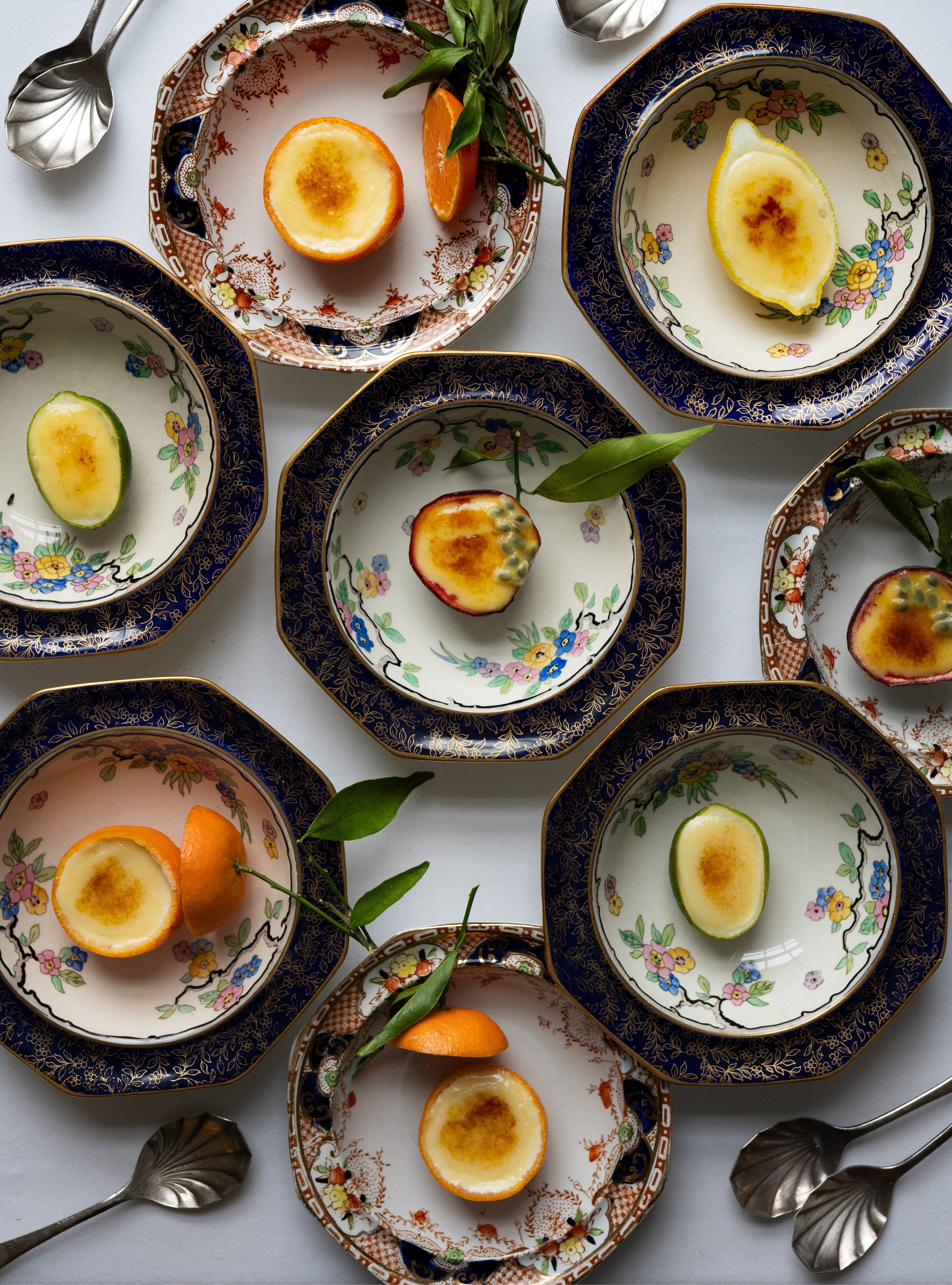
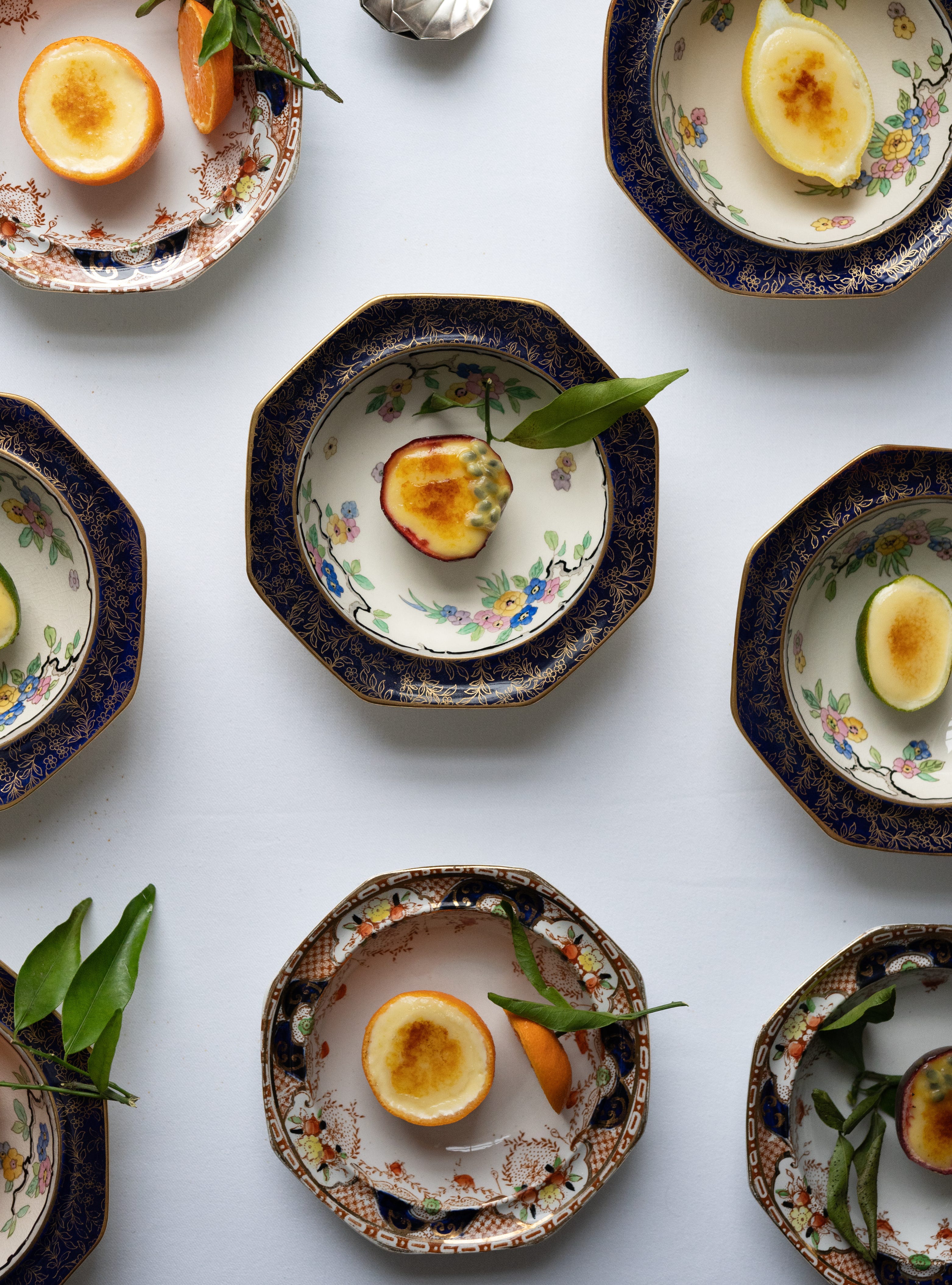
Fruit cup possets have become a Christmas tradition and one of the most appreciated desserts I prepare. This can be infuriating, not because they lack distinction, but because something so creamy, citrus-sharp, and deliciously indulgent has no right to be quite so effortless.
During holidays past, I lost entire afternoons to the mad alchemy of dessert planning. I whisked, I tempered, I baked. I coaxed cold cubes of butter into flour for pastry so light it might simply float away. There were chocolate pavlovas that spent hours in the barely-there warmth of the oven, earning their crackling carapace and mallow-soft middle; coffee jelly–layered (à la Ballymaloe) panna cottas — alternating tiers of creamy silk and dark, quivering jelly — that demanded the patience of a saint and the timing of a surgeon to set just so; and a six-layer Black Forest gateau so structurally ambitious it really ought to have come with planning permission.
Now, when family and friends descend for the holidays, I have little appetite for oven-wrangling or balancing delicate, high-maintenance fiddly cakes. Instead, I return to a guiding principle learnt from my mother: when the ingredients are good, one need not interfere too much. Enter the fruit cup possets. Three ingredients, ten minutes, no oven, no stress! Hurrah. They rapidly set in the refrigerator whilst I bustle about the kitchen, performing usefulness with great conviction. And they vanish almost as soon as they are served — more swiftly than any fancy sky-high soufflé I have ever pleaded into rising.
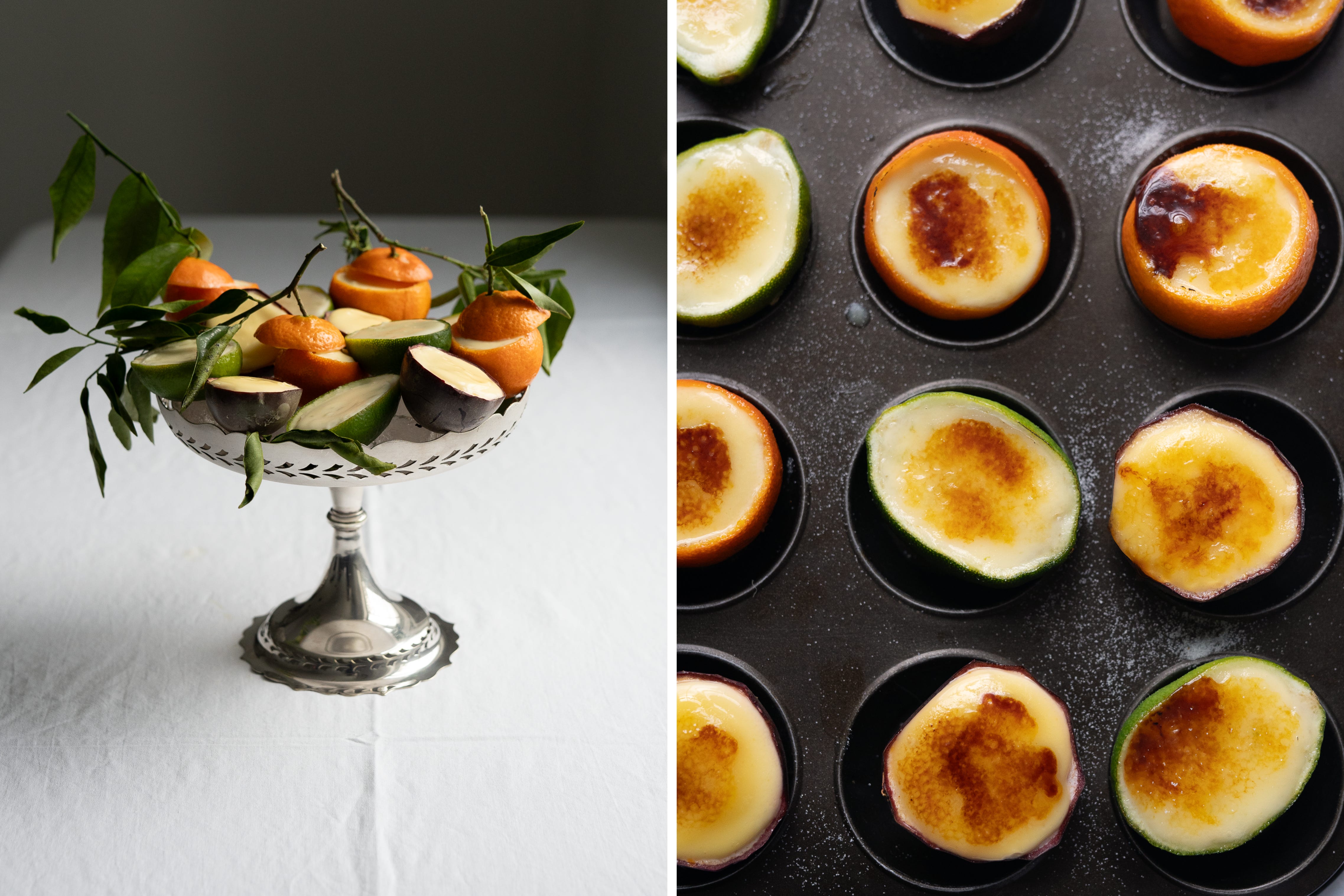
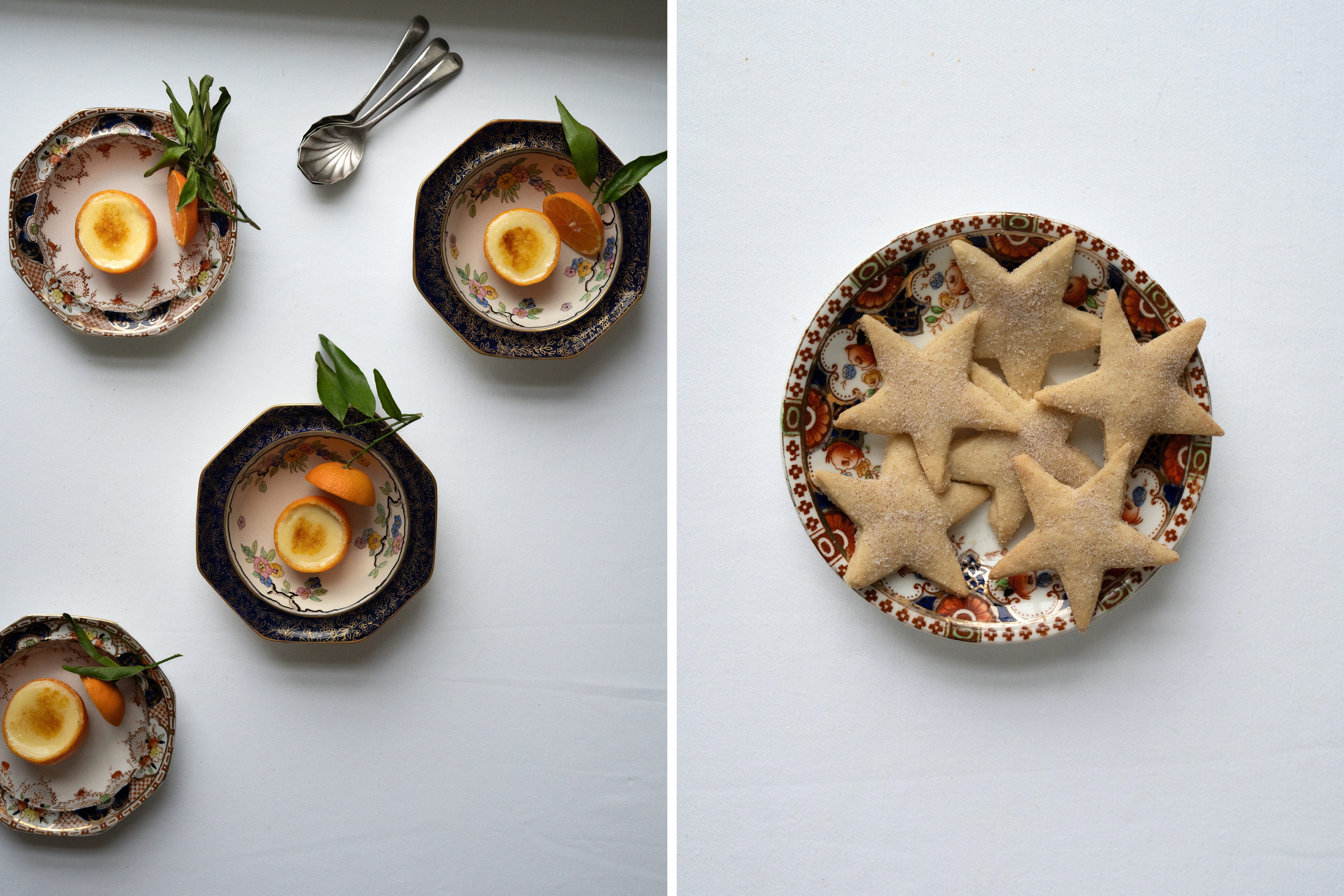
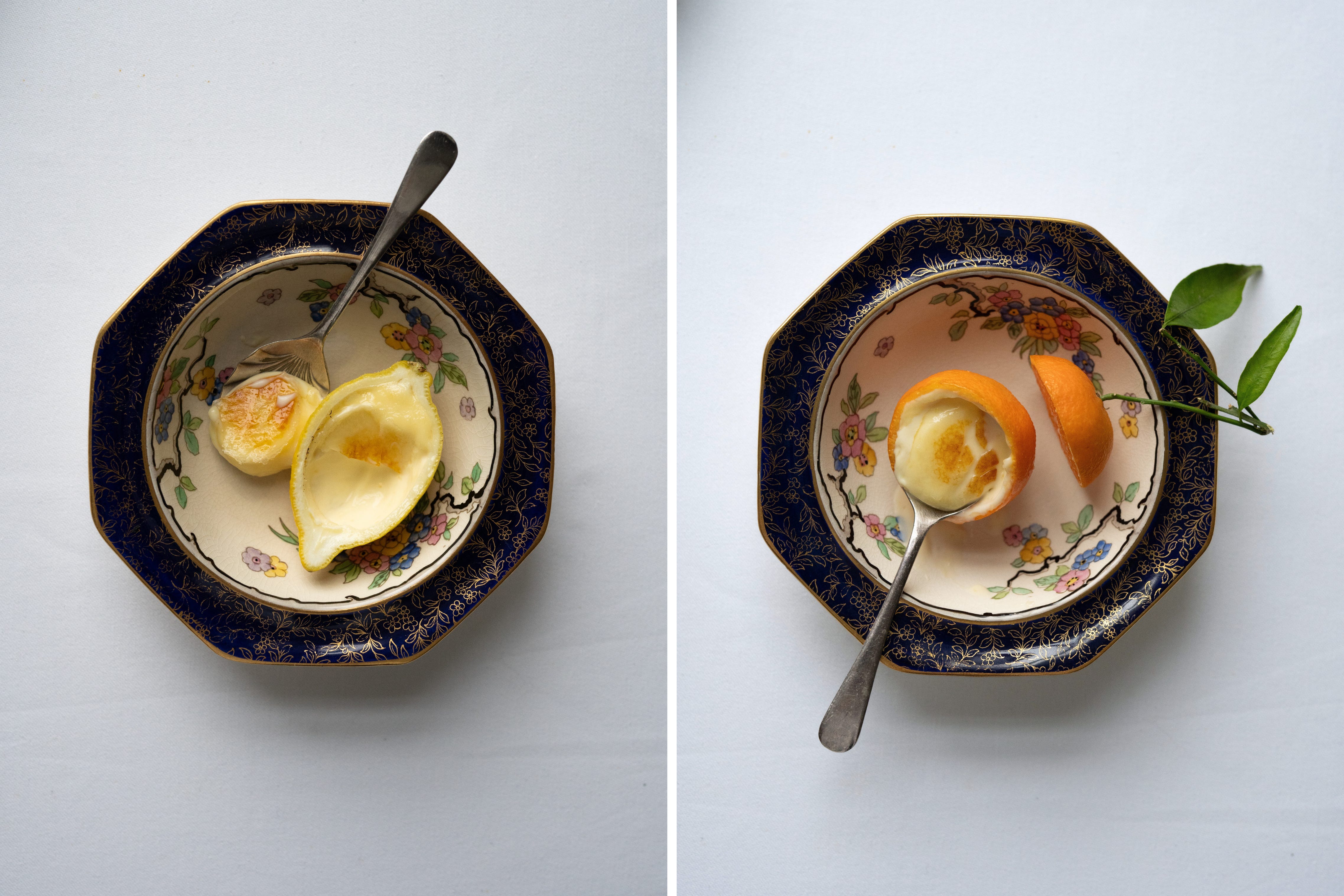
Served in hollowed fruit shells, sometimes brûléed until the edges crackle, they are unfailing crowd-pleasers. Children adore them, and best of all, they can be made well in advance, sparing you the indignity of last-minute kitchen theatrics.

A posset, for those unfamiliar with its charms, began life in England as a curative — a hot, curdled mixture of milk and ale or wine, doled out solemnly for coughs, chills, and flagging spirits. Mercifully, it has since shed its medicinal earnestness and evolved into something far more beguiling: a silken cream, set with citrus, designed less to restore health than to induce contentment.
The method
The method is simple. Warm cream and sugar gently for a few minutes, then pour the mixture into freshly squeezed citrus juice — clementine, lemon, lime, or strained passion fruit all work beautifully. The transformation is immediate: the cream thickens on contact, obedient and sure.
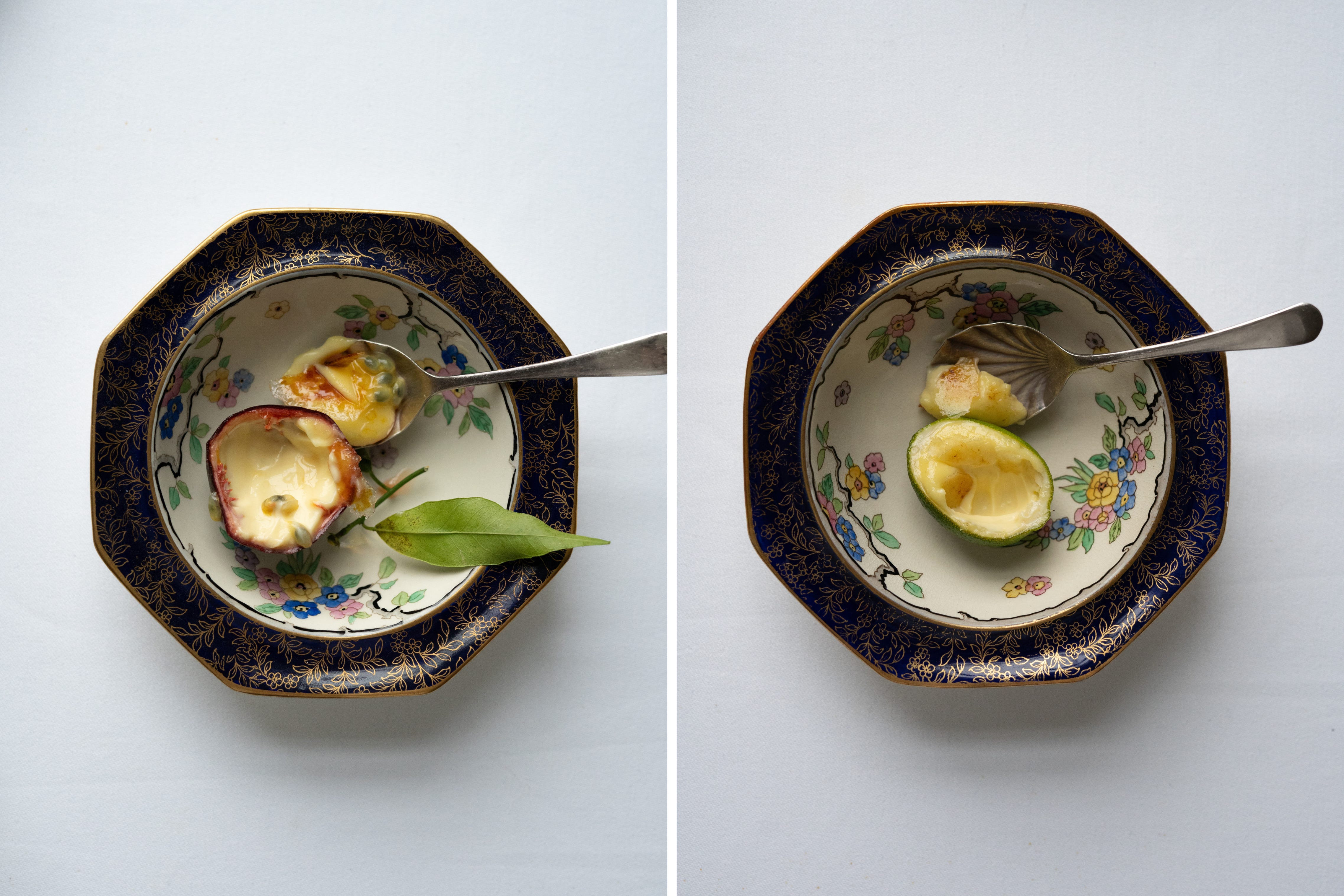
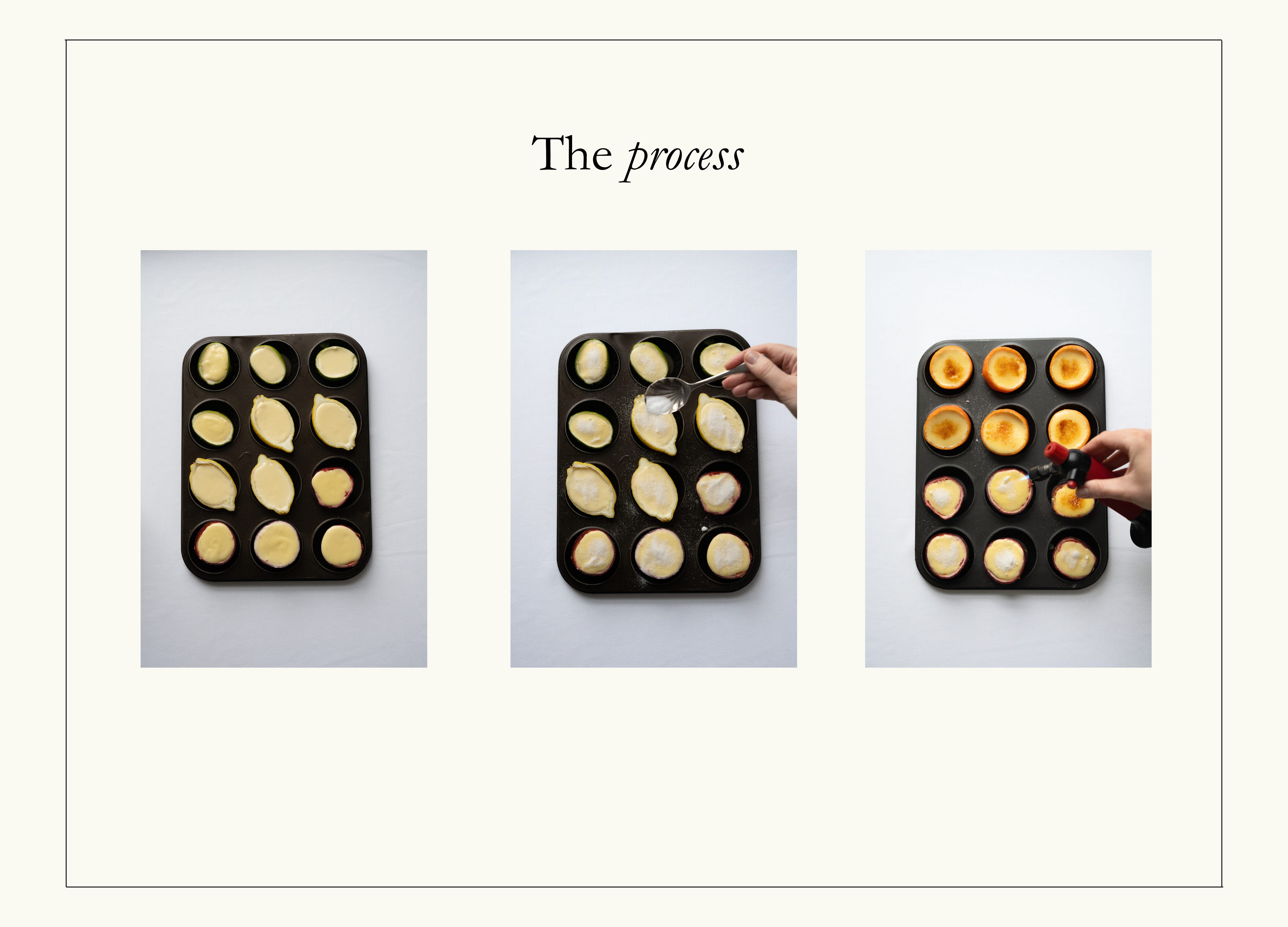
I prepare the fruit cups in advance, setting the hollowed shells in muffin tins before filling them with the posset. A few hours in the refrigerator is all that’s needed for them to set. If time allows, I finish them with a scattering of sugar. You may then take a blowtorch to the tops yourself. Or — better still — enlist a willing family member, or any obliging pyromaniac, to do the brûléeing while you gather yourself and take a restorative sip of something cold, or strong, or ideally both. The spectacle is brief, the applause immediate, and you are left looking far more industrious than you have any right to.
Flavor
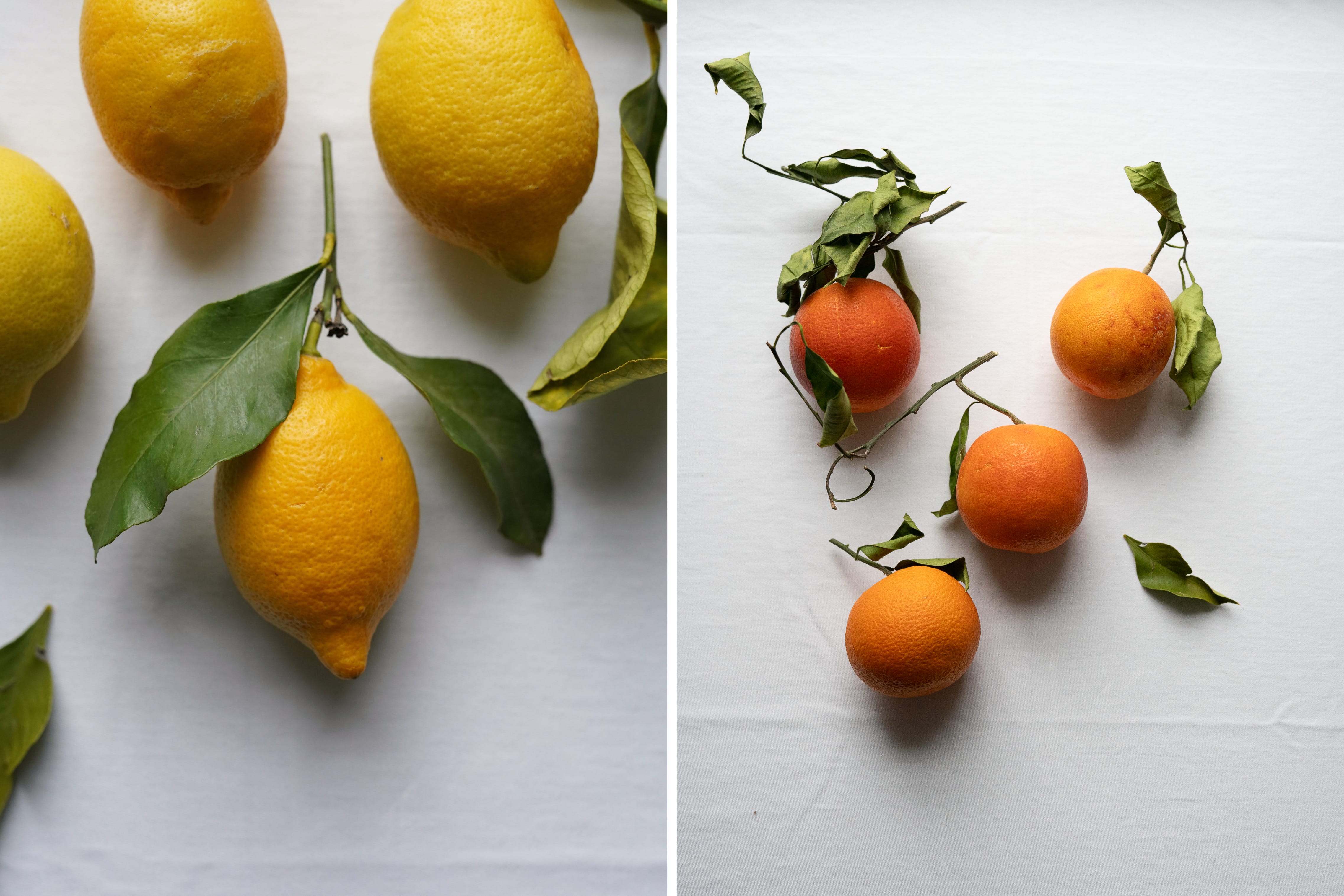
When making possets, simplicity is key. After all, when you’ve tasted the brilliance of an in-season clementine, why complicate it with extra flavor pairings? To sharpen the citrus punch, I use both zest and juice. The zest provides that pleasurable lip-puckering, tongue-tingling astringency. Serve with ginger or lemon shortbread biscuits.